Esta traducción podría no reflejar los cambios más recientes añadidos a la guía de referencia. Ayúdanos a actualizar la traducción o revisa la guía original.
Introducción
Esta guía describe los problemas comunes de las cremalleras de plástico (Vislon®) y si pueden repararse con un reemplazo del deslizador de la cremallera o si requieren un reemplazo completo de la línea de la cremallera.
El diagnóstico correcto del problema es el segundo paso en el proceso de reparación de cremalleras de Patagonia. Las partes de reemplazo de Patagonia pueden obtenerse llamando o enviando un mensaje a Servicio de atención al cliente de Patagonia.
Las 3 etapas de la reparación de cremalleras de Patagonia
- Identifica el tipo de cremallera
- Diagnostica el problema
- Diagnóstico de problemas de cremalleras de bobina
- Diagnóstico de problemas de cremalleras de dientes de plástico
- Repara la cremallera
- [guide|19455|Reemplazo del deslizador de la cremallera de bobina|new_window=true)
- [guide|19448|Reemplazo del deslizador de la cremallera de dientes de plástico|new_window=true)
- [guide|181273|Técnicas avanzadas de reparación de cremalleras sin costuras|new_window=true)
-
-
Deslizador
-
Tirador
-
Topes superiores
-
Box y Pin
-
Dientes
-
Cinta
-
-
-
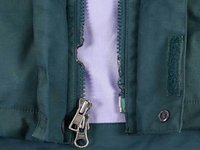
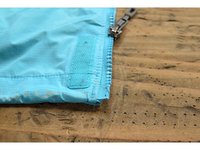
Un deslizador suelto no mantendrá los dientes juntos de manera efectiva y se abrirán después de que el deslizador haya sido levantado (imagen de referencia n.º 1).
-
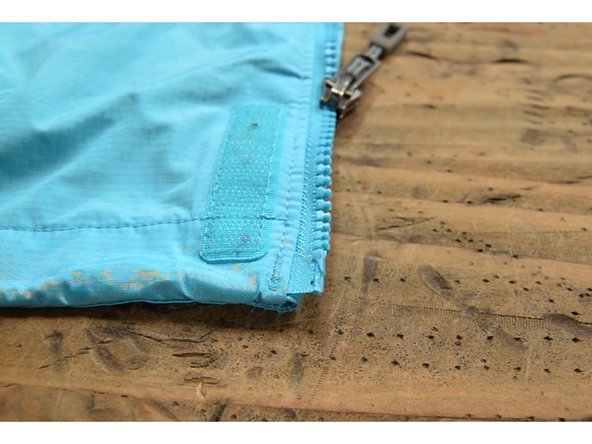
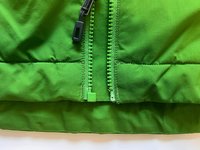
Un deslizador compactado estará demasiado apretado y será difícil levantarlo (imagen de referencia n.º 2).
-
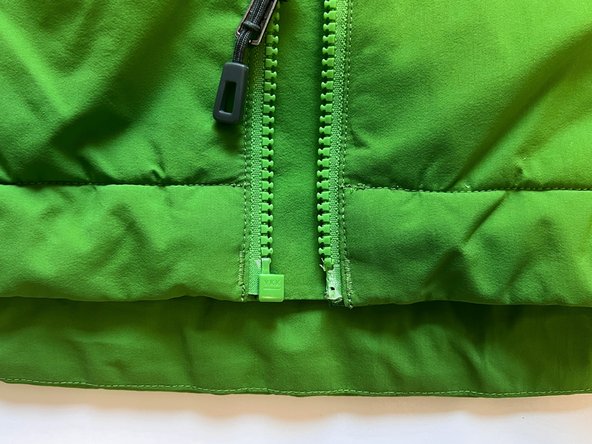
Si alguno de estos casos se da, o si el deslizador falta por completo, es probable que un reemplazo de deslizador de la cremallera con diente de plástico solucione el problema.
-
-
-
-
Consulta Técnica avanzada de reparación de cremalleras sin costuras para una solución rápida y temporal.
-
-
-
Echa un vistazo a técnicas avanzadas de reparación de cremalleras sin costura para una solución rápida y temporal.
-
-
-
Echa un vistazo a las técnicas avanzadas de reparación de cremalleras sin costuras para una solución rápida y temporal.
-





Cancelar: No complete esta guía.
9 personas más completaron esta guía.
Un agradecimiento especial a estos traductores:
91%

¡ Mariana Roca nos está ayudando a reparar el mundo! ¿Quieres contribuir?
Empezar a traducir ›



6Guía Comentarios
What if there's no reason other than one side of the slider came off?
What about if the zipper zips up but the teeth do not keep closed. I.e. zip up the jacket, part of the teeth stay interlocked but from one point on the teeth become undone and do not lock.
That's an issue with the zipper slider itself and I have experience fixing it. It's difficult to maneuver the tool because of fabric in the way and it's in a generally awkward spot but possible. Take needle pliers and squeeze down *a little bit* on the back of the zipper slider itself. Doesn't need too much of an adjustment, so squeeze a little and check, and squeeze a little and check. It's the small end of the zipper slider.
Malm -
I have the same problem as Juan Umana: one tooth at the bottom (beginning) of the zipper is broken off, so the teeth won’t mesh properly and the zipper teeth stay apart. Ideas welcome.
Robin Cunningham
